Keep Your Softener Performing Like New
Salt mush, sediment, and salt bridges silently strangle softener performance. We clean and sanitize your brine tank so your Kenai system regenerates properly for years to come.
Benefits That Show Up Day One
Restores full softening capacity to your Kenai softener
Recommended every 2–3 years per industry guidance
What we do when we walk into your home.
Every brine-tank cleaning follows the same 6-step sequence, completed and documented before we leave.
- 1
Drain and vacuum sludge from base
- 2
Brush and rinse interior walls
- 3
Sanitize with certified solution
- 4
Inspect safety float and valve
- 5
Reload with clean salt
- 6
Verify controller settings + cycle
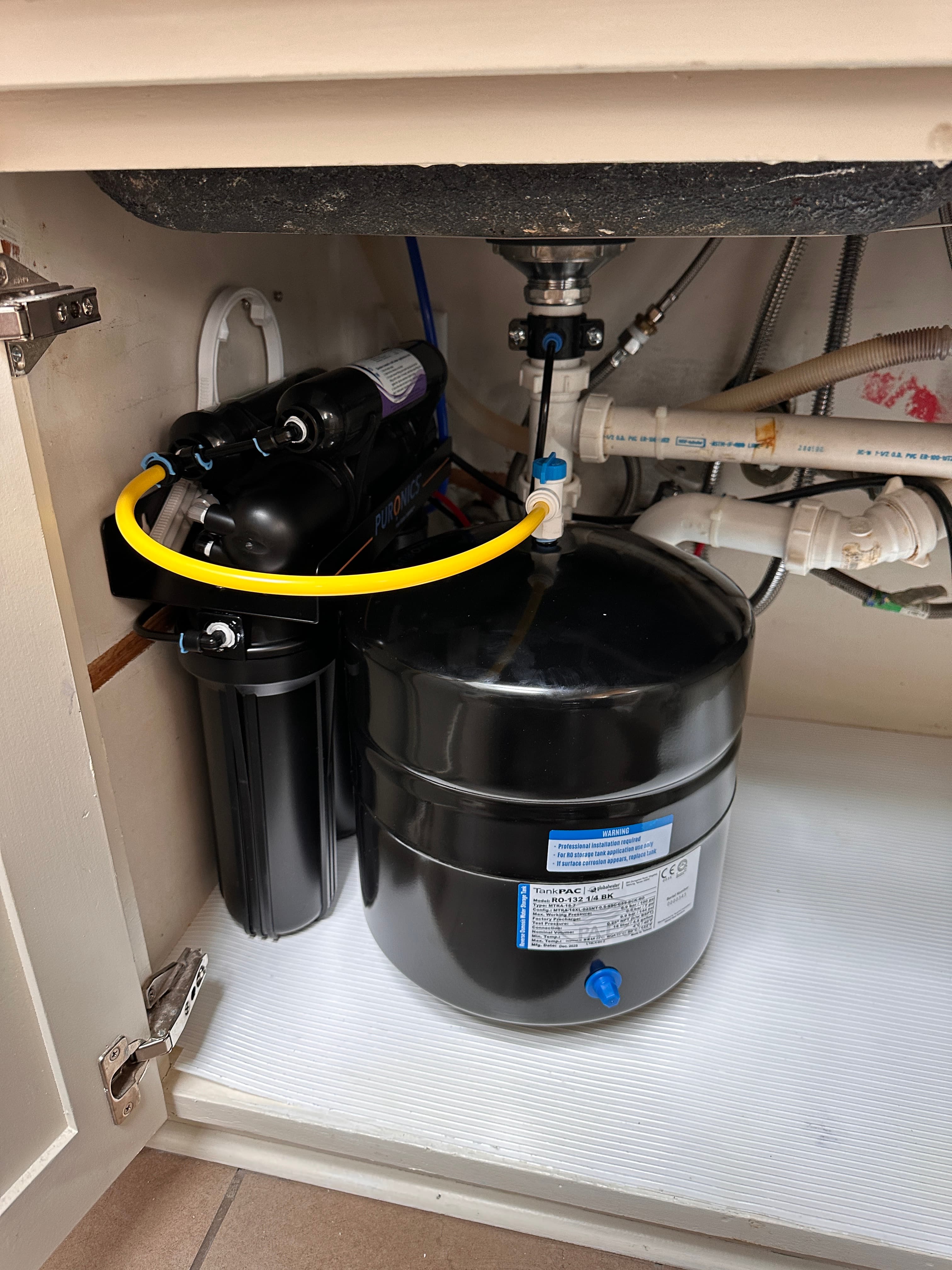
Brine tank cleaned and sanitized
How We Install It
Pump Out
Drain existing brine and any settled sludge.
Full Cleaning
Scrub, rinse, and sanitize the entire tank interior.
Component Inspection
Float, safety valve, and brine draw tube checked.
Fresh Salt Load
Premium solar salt reloaded and brine reset.
Your Questions, Answered
How often should a brine tank be cleaned?+
Industry guidance is every 2–3 years for most homes, but in South Florida's heat and humidity, salt absorbs moisture much faster than in drier climates. Many local homes benefit from a cleaning every 18–24 months. We'll inspect during every service visit and only recommend cleaning when it's actually needed.
What is salt bridging, and is it really a problem?+
Salt bridging is a hardened crust of salt that forms above the water line in your brine tank, leaving an empty pocket below. It looks full, but no brine is being made, meaning your softener regenerates with weak (or no) brine and your home stops getting truly soft water. South Florida's humidity makes salt bridging dramatically more common here than in most of the country.
Why is South Florida so hard on brine tanks?+
Year-round humidity causes salt to absorb moisture, harden, clump, and form salt mush at the bottom of the tank. Sediment from impure salt builds up. Bacteria and biofilm can grow inside an unmaintained tank. The result: reduced softener efficiency, higher salt usage, and shorter equipment life, all preventable with routine cleaning.
What are the signs my brine tank needs cleaning?+
Watch for: water spots returning on glassware, dry skin or stiff laundry coming back, salt that 'never seems to go down,' visible sediment or mush at the bottom, a hardened crust on top of the salt, or a foul/musty smell from the tank. Any of these and it's time to schedule service.
Do I need this if I already have salt delivery?+
Yes, they're complementary. Salt delivery keeps your tank topped up so you never run out. Brine tank cleaning empties, sanitizes, and inspects the tank itself, something topping up cannot do. Both services together keep your softener running like new.
What does the SoFlo white-glove brine service include?+
We pump out old brine and sediment, scrub and rinse the tank interior, sanitize with a certified solution, inspect the float, brine draw tube, and safety shutoff, reload with premium high-purity solar salt, verify controller settings, and confirm a full regeneration cycle before we leave. Drop cloths down, no mess, no lifting on your end. 60–90 minutes per tank.
Will it void my Kenai Lifetime Manufacturer Warranty?+
No, the opposite. Routine brine tank service is part of recommended maintenance and is performed by certified Kenai-trained technicians. Keeping your tank clean protects your warranty and extends the life of your softener.
Schedule Your Free In-Home Water Test
Takes 30 seconds. A certified tech will contact you within 24 hours.
Keep Your System Healthy
Ready to know what's really in your water?
Schedule a free in-home water test, no pressure, no obligation.