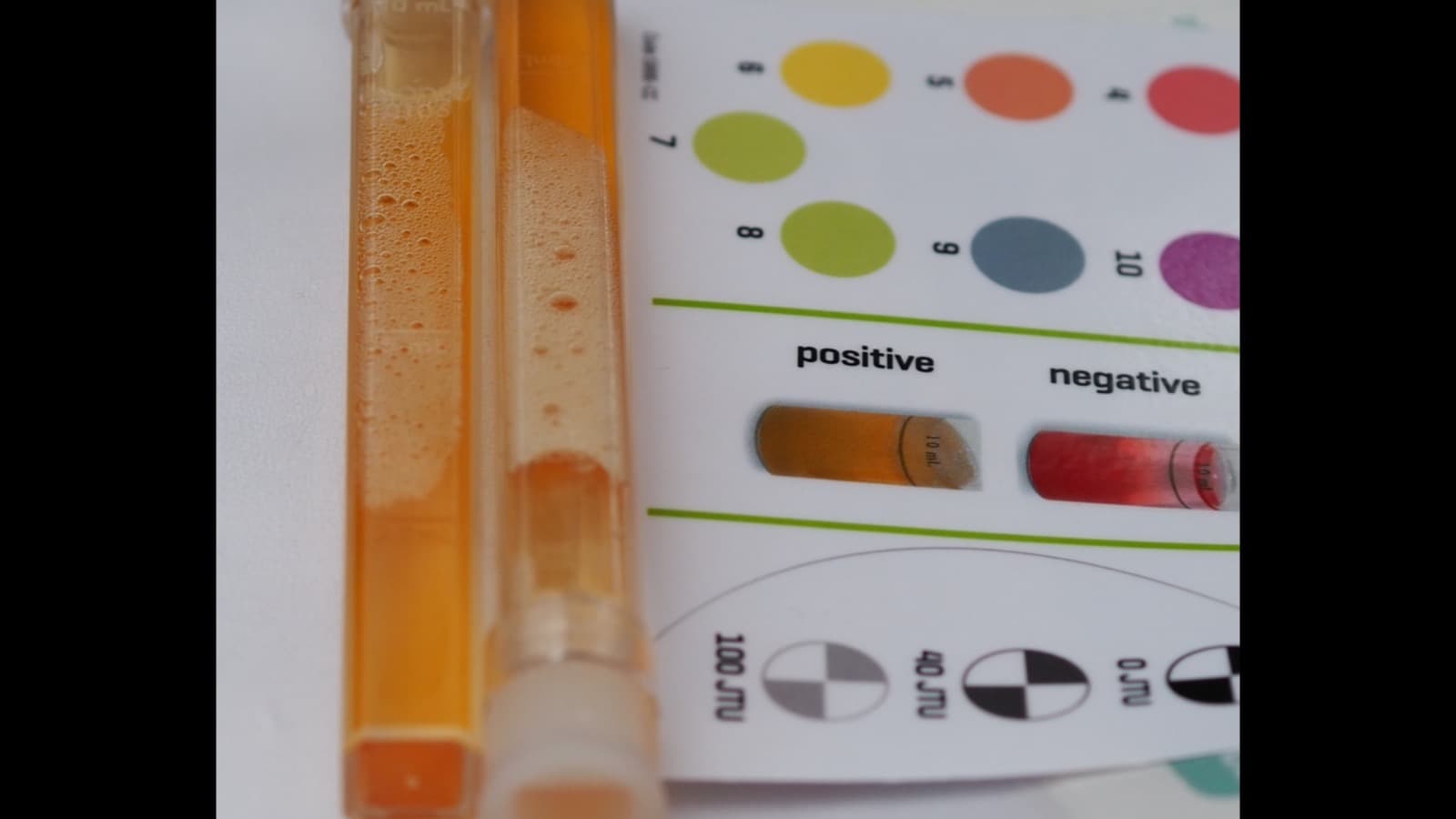
A salty or brackish taste in your South Florida tap usually points to one of four causes: saltwater intrusion into the Biscayne Aquifer (a real coastal Miami-Dade and Broward concern), a water softener regenerating too aggressively, a failed reverse osmosis membrane, or a reaction at the hot water heater anode. Each has a different fix, and most can be narrowed down in five minutes with a TDS meter and a hot-versus-cold taste test.
Tap tastes salty at your coastal home?
Get a free in-home water test in coastal South Florida
We bring a calibrated TDS meter and chloride strips to your kitchen, run the hot-versus-cold check, and tell you exactly which of the four causes is driving the taste. No guesswork.
The Four Most Common Causes of Salty South Florida Tap Water
Salty taste is rarely a mystery once you know what to test for. In thousands of service visits across Miami-Dade, Broward, and Palm Beach, we see the same short list of causes again and again. The good news is that the cause is almost always one of these four, and the diagnostic does not require a lab.
- Saltwater intrusion at the wellfield. The Biscayne Aquifer sits at sea level and is in active contact with the ocean. When pumping outpaces recharge, the saltwater interface migrates inland and chloride creeps into raw water that the utility then treats. This is the cause people worry about and the one with the most public monitoring behind it.
- Water softener overrun. A softener that miscounts gallons, regenerates at the wrong time, or has a salt bridge in the brine tank can dump sodium straight into the home line. Taste turns salty for a few hours after a misfire.
- Failed reverse osmosis membrane. An aging or channeled RO membrane stops rejecting sodium and chloride. Filtered water at the kitchen tap suddenly tastes worse than the unfiltered water beside it.
- Hot water heater anode reaction. Some homeowners swap a magnesium anode for an aluminum or zinc rod to fight rotten-egg odor. In rare cases the swap leaves the hot side tasting slightly salty or metallic.
Run a 60-second triage at the kitchen sink. Pour cold tap into one glass and hot tap (cooled) into a second. If only the hot tastes off, you are looking at cause four. If both taste salty and you have a softener, suspect cause two. If only your filtered RO water is bad, that is cause three. If everything tastes salty and you have no softener or RO, cause one becomes the leading suspect, especially east of US-1.
Biscayne Aquifer Saltwater Intrusion: The Real Geological Story
The Biscayne Aquifer is the unconfined surficial aquifer that runs from the Florida Keys north through Miami-Dade and Broward into southern Palm Beach. It is shallow, highly permeable, and the principal drinking water source for roughly three million people. The USGS Caribbean-Florida Water Science Center runs a long-term monitoring network of chloride-detection wells along the coast for exactly this reason.
Saltwater intrusion happens when freshwater heads in the aquifer drop relative to sea level. Sea level rise, drought-driven pumping, and canal management all contribute. The South Florida Water Management District publishes annual saltwater interface maps and operates the regional canal network and salinity-control structures that hold the interface offshore. When a coastal wellfield approaches the interface, the utility either blends supply from inland wells, shifts production, or installs Aquifer Storage and Recovery wells that bank wet-season freshwater for dry-season use.
For homeowners, the practical takeaway is that intrusion-driven salinity is almost always handled at the utility, not at the tap. Florida DEP requires public systems to meet the federal secondary MCL for chloride of 250 mg/L. If your treated water consistently approaches that ceiling, it shows up in your annual water quality report and the utility is required to address it. Where coastal residents sometimes feel the issue is with a private well east of the Intracoastal, which the federal rule does not cover. Those owners need their own treatment plan.
Water Softener Overrun: Brine Where It Should Not Be
A correctly tuned softener trades calcium and magnesium for sodium and discharges the brine to drain during a regen cycle. When the cycle misfires, that brine reaches the house line instead. The taste is unmistakably salty and usually lasts a few hours before clearing.
- Regen-cycle Na+ spike. A clogged drain line or a stuck brine valve keeps the cycle from rinsing fully. The first gallons after regen carry the leftover brine into the home.
- Salt bridge in the brine tank. A crust of salt forms over an air pocket, and the float reads a full tank that is actually dry below the crust. Once the bridge collapses, a concentrated slug of brine hits the resin and rides through to the tap.
- Wrong hardness setting. A softener programmed for well-water hardness used on a city-water home regenerates far more often than needed, doubling or tripling your salt load.
- Resin overload. A 32k-grain softener handling a family of six in a hard-water zone may run out of capacity between regens and start passing sodium and hardness together.
The fastest fix is a one-visit service call. We probe the brine tank for a salt bridge, time the regen cycle, and check the gallons-used counter against your meter. If the unit is older than ten years or running a non-metered timer, we usually recommend an upgrade to a modern metered water softener sized properly for the household.
Failed Reverse Osmosis Membrane
A healthy RO membrane rejects 95 to 99 percent of sodium and chloride. When the membrane channels, fouls, or simply ages out, the rejection rate collapses. Some membranes fail quietly: the system still produces water, the tank still fills, and only a TDS reading reveals the problem.
Three diagnostic moves take less than five minutes. First, compare TDS at the cold kitchen tap (pre-RO) and at the RO faucet. A working system should show the RO side at one tenth of the feed reading or better. Second, check the date code on the membrane housing. Residential RO membranes have a service life of two to five years in South Florida feedwater. Third, taste the water cold straight from the RO tap with no ice; ice masks salinity.
If your membrane has failed, replacement is straightforward and typically far cheaper than the full system. Our reverse osmosis service page lists the residential models we install and maintain in the region, and our reverse osmosis service in Miami plus Coral Gables coverage pages walk through what a same-day membrane swap looks like at the kitchen sink.
Hot Water Heater Anode Reaction
Most residential water heaters ship with a magnesium sacrificial anode. Magnesium corrodes preferentially to the steel tank and is usually fine, but in soft or chloride-rich water it can produce hydrogen sulfide (the rotten-egg smell). The common fix, a swap to an aluminum-zinc anode, solves the smell. In rare South Florida installations, the same swap leaves the hot side tasting mildly salty, metallic, or electrolyte-like because aluminum-zinc dissolves differently in our chloride-leaning city water.
The diagnostic is the hot-versus-cold taste test. If the salty taste appears only at the hot tap and disappears at the cold, the heater is the source. The remedy is a powered anode (a low-voltage rod that does not dissolve at all) or returning to a fresh magnesium rod and addressing the sulfide separately with a whole-home filtration system upstream of the heater. Either way, this is the cheapest of the four causes to resolve.
Recommended Method: Match Symptom to Cause to Fix
Run the table below as a first-pass diagnostic before you call anyone. Bring the results to your free in-home water test and we can usually confirm or rule out each row in under fifteen minutes.
| Symptom + quick test | Likely cause | Treatment + cost band |
|---|---|---|
| Both hot and cold taste salty, TDS reading climbing month over month, coastal address east of US-1 | Wellfield / aquifer salinity | Point-of-use RO at kitchen, low four figures installed |
| Salty taste appears intermittently, only for hours at a time, home has a softener | Softener regen overrun or salt bridge | Softener service call (low three figures) or replacement of a 10+ year unit |
| Only the filtered RO faucet tastes worse than the cold tap, TDS ratio above 1:5 between feed and product | Failed or aged RO membrane | Membrane replacement, mid three figures parts and labor |
| Only the hot side tastes salty or metallic, cold is fine, recent anode change or sulfide treatment | Hot water heater anode reaction | Powered anode swap, low three figures including labor |
| Private well east of the Intracoastal, no city supply, never lab-tested for chloride | Wellhead intrusion (not regulated under federal rule) | Lab chloride test + sized treatment after results |
Coastal Miami-Dade homeowner? Ask about our RO upgrade promo.
We install P473-certified reverse osmosis systems at coastal Miami-Dade and Broward addresses with a same-week appointment and financing on approved credit. Bring your last utility bill and we'll match the system to your wellfield.
Call a Professional If Any of These Apply
Salty tap water is usually a nuisance issue, not an emergency. A few scenarios are different and deserve a same-day call to a licensed water-treatment installer.
- You are on a private well in coastal Biscayne Bay, the Florida Keys, or any address east of the Intracoastal, and have never had a lab chloride test. Federal rules do not cover private wells, so intrusion can climb unnoticed.
- Your TDS meter shows spikes at multiple times of day rather than a steady reading. Variable salinity often indicates a softener or plumbing fault rather than a utility issue.
- The water tastes electrolyte-like and a household member reports numbness, tingling, irregular heartbeat, or unusual thirst. This is a medical issue first. Call your provider, then call us.
- You have an infant on formula, anyone in the household is on a low-sodium medical diet, or someone is being treated for hypertension or kidney disease. Sodium intake from water becomes meaningful at these levels.
- You see white crystalline deposits at faucet aerators or showerheads that do not match typical hardness scale, especially paired with the salty taste.
- Your softener regenerates more than three times per week without obvious cause, or the brine tank is using more than two bags of salt per month for a four-person household.
- You live in Aventura, Sunny Isles Beach, or another barrier-island address and the issue started after a storm surge or king tide event.
Our team handles all of the above as routine service calls. Read more on the SoFlo Water Pros team page or browse our frequently asked questions. If you have already worked through your CCR and PFAS concerns, the companion article on PFAS in South Florida tap water covers the regulatory side that often comes up in the same visit.
Frequently Asked Questions
Is salty South Florida tap water safe to drink?
Treated municipal water meeting Florida DEP and federal standards is safe at the secondary chloride limit of 250 mg/L. Below that ceiling the issue is taste and possible sodium load, not acute toxicity. If a household member is on a low-sodium medical diet or treating an infant, even moderate salinity matters and a point-of-use RO at the kitchen sink resolves it cleanly.
How can I tell if it is the softener or the city water?
Bypass the softener for 24 hours using the bypass valve on the unit head. If the salty taste disappears, the softener is the source and likely overrunning. If it persists, the cause is upstream: either the utility, the RO, or the heater. A water testing service visit confirms the diagnosis in one trip.
Why does only my hot water taste salty?
The water heater is almost always the answer. Most heaters carry a sacrificial anode that reacts with chloride-leaning South Florida city water. Swapping to a powered anode rod (which does not dissolve) usually clears the taste within a day or two as the tank flushes. A whole-home pre-filter upstream of the heater extends rod life and prevents recurrence.
Does saltwater intrusion mean my water is dangerous?
Not on its own. The Biscayne Aquifer saltwater interface is closely monitored by USGS and SFWMD, and Florida utilities are required to keep treated water below 250 mg/L chloride. Intrusion shows up first as a taste issue and a TDS climb at coastal wellfields. The system is designed to catch and respond before drinking water becomes unsafe.
Can a whole-home filter fix salty water?
Standard whole-home carbon filtration does not remove sodium or chloride. Salts pass straight through carbon. The technologies that do reduce salinity at a home scale are reverse osmosis (the residential standard) and, less commonly, whole-home RO or nanofiltration for severe cases. A whole-home filtration plus point-of-use RO build is the cost-effective pairing for most coastal South Florida homes.
How do I know if my address is at risk for intrusion?
Coastal Miami-Dade and Broward east of US-1 sit closest to the saltwater interface, with barrier-island addresses like Sunny Isles Beach, Aventura, and Hallandale Beach the most exposed. The USGS chloride-monitoring network publishes well data publicly. Or run your address through our water checker and we will tell you which utility serves you and what their last CCR reported.
Get a free coastal South Florida water test
Stop guessing why your tap tastes salty.
A certified SoFlo technician tests chloride, TDS, hardness, and pH at your kitchen sink, runs the hot-versus-cold check, and recommends the smallest fix that actually solves your issue. Call or book online.
Related reading
Related: PFAS in South Florida tap water · Reverse osmosis · Water softeners · Water testing · Whole-home filtration · Reverse osmosis in Miami · Reverse osmosis in Coral Gables · Reverse osmosis in Aventura · Reverse osmosis in Sunny Isles Beach · FAQ · About · Financing